Insights on AI benchmarking and model evaluation.
Which AI model is best for coding in 2026? We rank every major LLM by SWE-bench Verified, LiveCodeBench, and SWE-bench Pro scores — with pricing and use-case guidance.
BrowseComp evaluates whether AI models can search the web, gather evidence, and answer research questions instead of relying only on latent knowledge.
Claude Opus 4.6 vs GPT-5.4 head-to-head: benchmark scores, pricing, and when to use each. GPT-5.4 leads on 16 of 20 benchmarks at 6x lower cost. But Claude holds real advantages in some areas.
Full LLM API pricing comparison for 2026 — input/output token costs for GPT-5, Claude, Gemini, DeepSeek, Grok, and more. Find the cheapest model for your use case.
OSWorld-Verified measures whether AI models can operate software interfaces and complete multi-step computer tasks with reliability.
Terminal-Bench 2.0 measures whether AI models can work through real terminal-based coding and ops workflows instead of just answering in chat.
LLM benchmarks don't measure intelligence. They measure specific, narrow abilities under controlled conditions. Here's what each benchmark type actually tests — and what it misses.
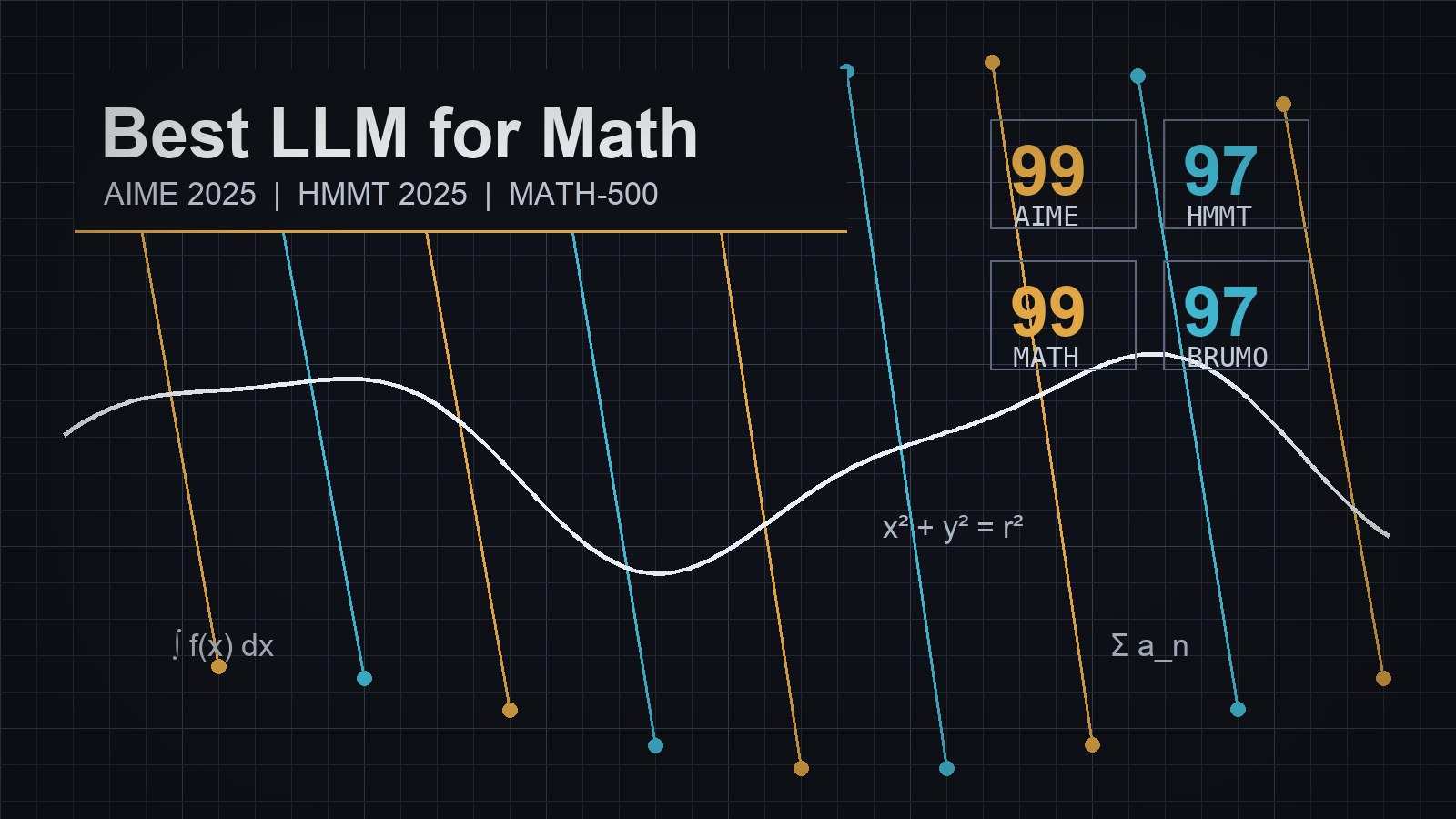
AIME and HMMT are high school math olympiad competitions now used to benchmark AI. Frontier models score 95-99% — competition math is effectively solved. Here's what that means.
We ranked every major LLM by coding benchmarks — HumanEval, SWE-bench Verified, and LiveCodeBench. Here's which model actually comes out on top, and why the answer depends on what you're building.
Chatbot Arena ranks AI models using Elo ratings from blind human preference votes. Here's how the system works, what the scores mean, and how Elo compares to standardized benchmarks.
A direct benchmark comparison of Anthropic's Claude Opus 4.6 and OpenAI's GPT-5.4 across current BenchLM.ai data. GPT-5.4 now has the stronger overall profile, but Claude still has specific workflow advantages.
GPQA tests AI models with graduate-level questions in biology, physics, and chemistry that are 'Google-proof' — even skilled non-experts with internet access can't answer them. Here's how it works.
Humanity's Last Exam is crowdsourced from thousands of domain experts and designed to probe the absolute frontier of AI. Top models score only 10-46%. Here's why HLE matters.
LiveCodeBench uses fresh competitive programming problems from LeetCode, Codeforces, and AtCoder to prevent data contamination. Here's why it matters and which models lead.
MMLU and MMLU-Pro are the most cited knowledge benchmarks in AI. Here's what each measures, why MMLU is saturated, and why MMLU-Pro is the better discriminator in 2026.
SWE-bench Verified tests AI models on resolving real GitHub issues from Django, Flask, and scikit-learn. Here's how it works, why it matters, and which models score highest.
HumanEval tests whether AI models can generate correct Python functions from docstrings. Here's what it measures, why it's nearly saturated, and which benchmarks matter more in 2026.
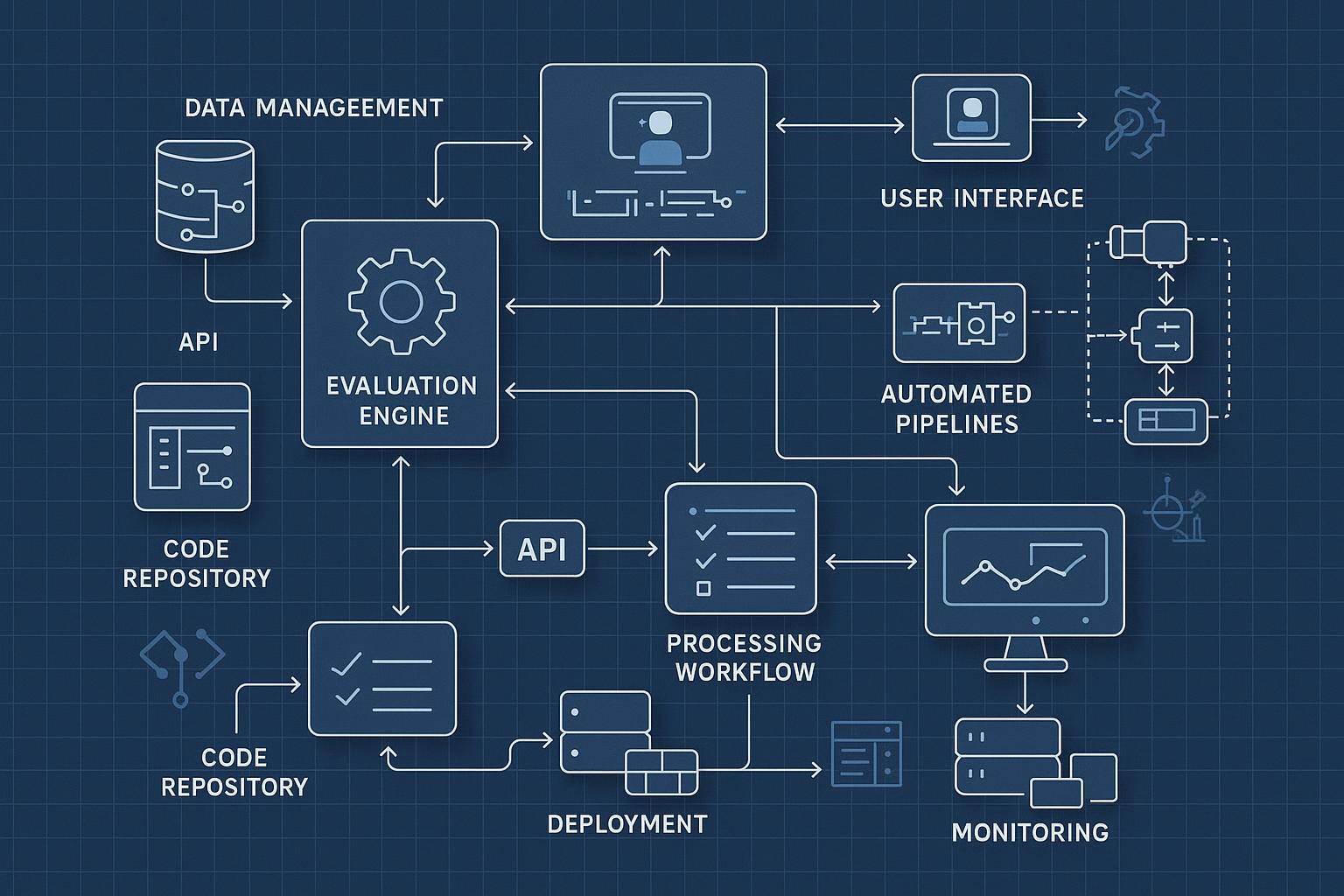
How to create a custom LLM benchmark for your specific use case — from defining tasks and building datasets to scoring models and avoiding common pitfalls.
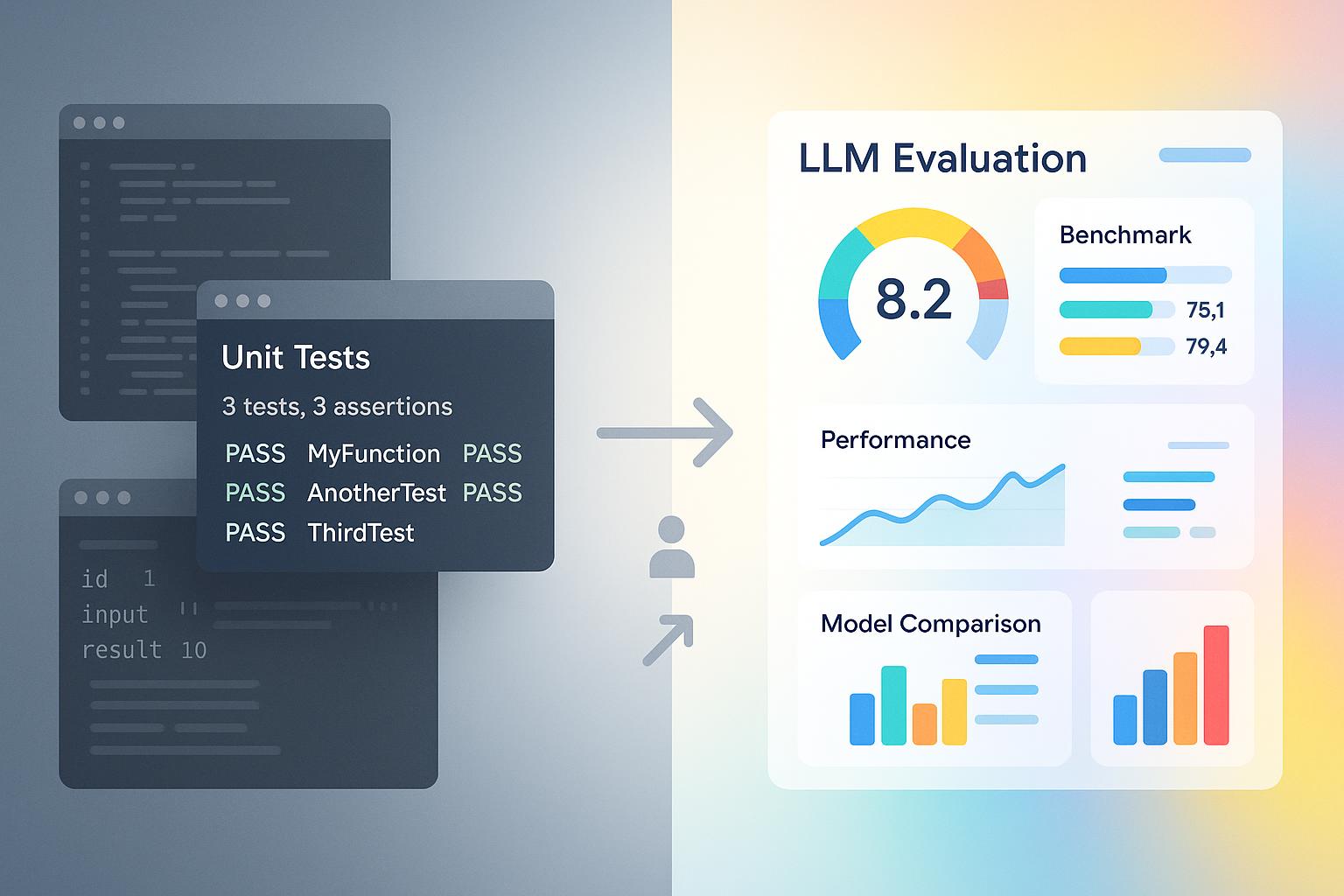
Everything you need to know about LLM benchmarking — what benchmarks measure, how to choose the right ones, common pitfalls, and how to interpret results for real-world model selection.
How to read LLM benchmark scores correctly — what differences are meaningful, what to ignore, common misinterpretations, and how to translate benchmark data into model selection decisions.